
Insulation Monitoring Devices
- IMDs
Continuous automatic insulation monitoring onboard vessels
Insulation Monitoring Devices – IMDs are designed to detect insulation faults in vessel electrical systems. Their primary function is to identify developing insulation faults at an early stage, allowing corrective action to be taken before the fault leads to serious equipment damage, unplanned downtime, or a safety risk.
Insulation faults in vessel electrical systems can cause extensive damage to the vessel itself, machinery, and other onboard equipment. The consequences can include costly repairs, operational disruption, and significant inconvenience for the vessel and its operator.
Insulation faults can originate from any electrical equipment
Even simple electrical equipment can cause insulation faults
Modern fishing vessels are equipped with an increasing amount of electrical equipment and systems. Every additional electrical system or piece of equipment increases the potential for insulation faults.
Even relatively simple electrical equipment can contribute to stray electrical currents that accelerate corrosion and electrochemical reactions in metals. Over time, this can lead to equipment failures, reduced service life, and increased maintenance and repair costs.
We strongly recommend that all onboard electrical systems are connected to an Insulation Monitoring Device – IMD and continuously monitored 24/7.
We have seen cases where small electrical systems, considered harmless, have caused serious insulation faults. One recent example involved newly installed camera equipment that developed an insulation fault with the potential to cause extensive damage.
An insulation fault can remain undetected for a long period before equipment fails. By that stage, damage may already be extensive, resulting in costly repairs, operational disruption, and increased safety risks onboard.
Insulation monitoring devices
at a glance
Automatic insulation monitoring of all electrical equipment connected to the IMD
- Continuous 24/7 automatic monitoring, all year round.
- Centralised insulation monitoring in one location.
- Virtually all onboard electrical equipment can be connected to the system.
- Suitable for 12 V, 24 V, 230 VAC, and 400 VAC electrical systems.
- Supports monitoring of both AC and DC systems.
- Multiple control displays can be installed and positioned wherever required.
- The number of monitoring points can be configured to suit each vessel.
- Measurements are logged, making it easy to identify deviations and developing faults.
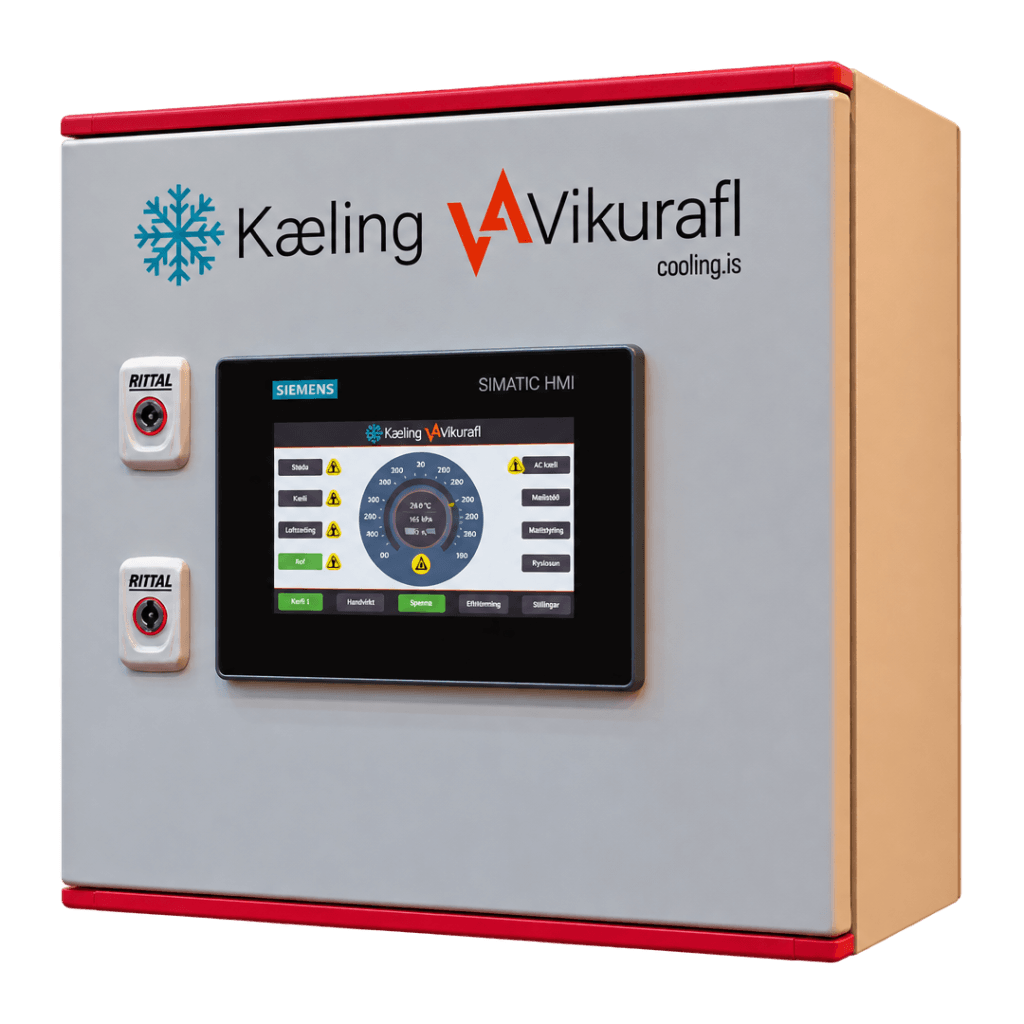
In simple terms, the IMD automatically checks the insulation condition of the electrical equipment connected to the system. In the video, this monitoring process is represented by a yellow signal travelling through the electrical circuits to each connected item of equipment.
If the insulation condition is within the defined limits, the equipment is shown in green and the IMD moves on to the next monitoring point. This process is repeated continuously, according to predefined measurement intervals, 24 hours a day.
If an insulation fault is detected, as shown with the ice slurry tank turning red in the video, the fault is registered by the system and returned as a red alarm signal. The event is logged, and automatic responses can be configured, including notifications by text message, email, or other alarm systems.
A cost-effective way to prevent costly failures and improve onboard safety
Detecting insulation faults before they cause operational downtime
An insulation fault does not necessarily cause equipment to fail immediately.
An insulation fault may begin developing in a temperature sensor, cable, connection, or other electrical component long before the equipment stops working.
With continuous monitoring, these developing faults can be detected at an early stage, allowing maintenance to be planned before the fault results in equipment failure or operational downtime.
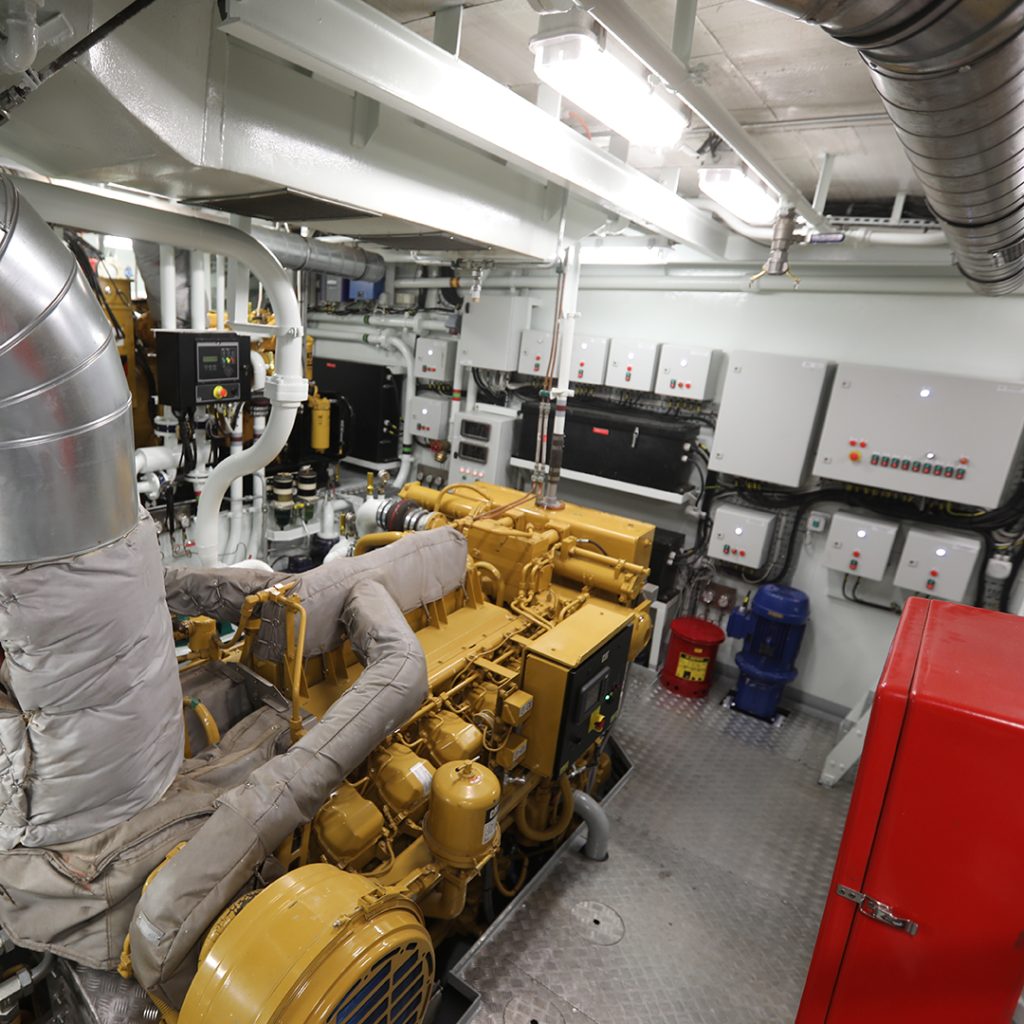
The goal is simple:
To detect changes in electrical insulation before they develop into serious faults, operational downtime, or damage.
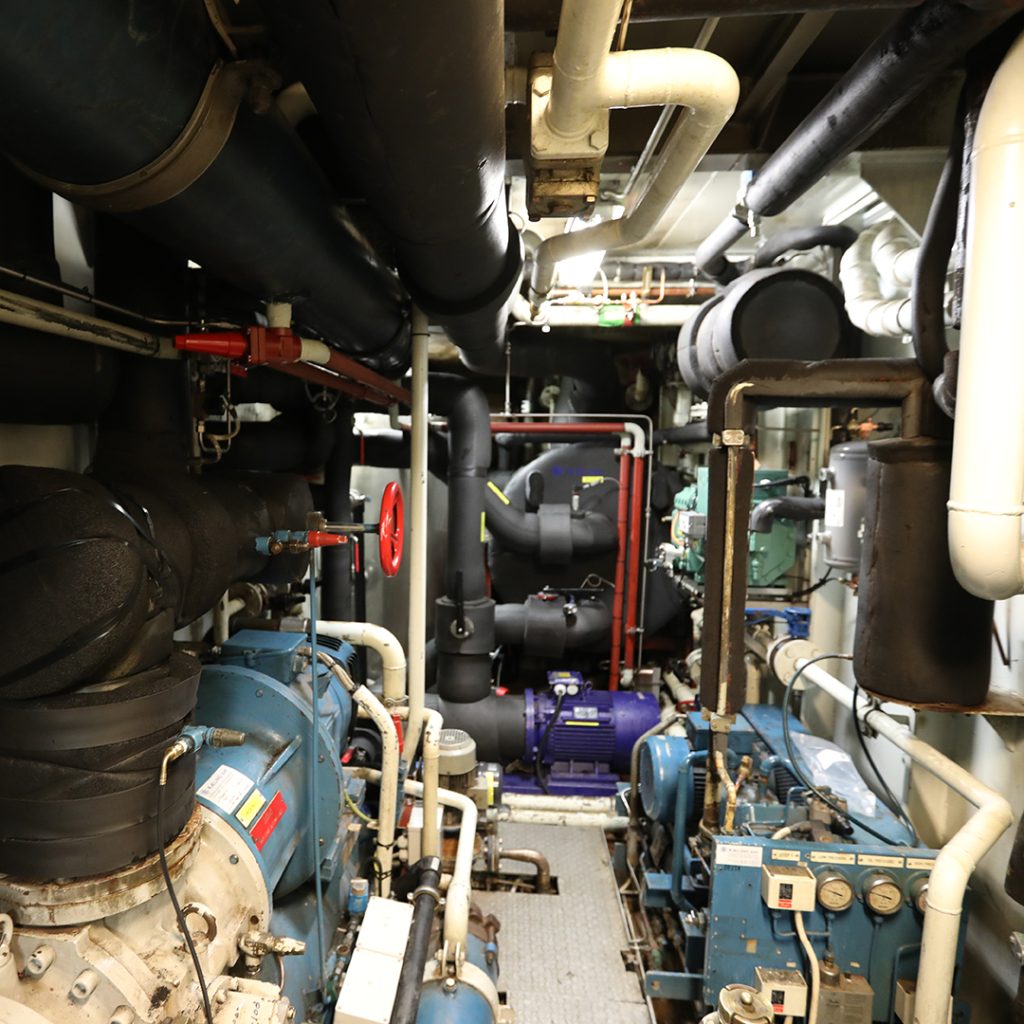
Conventional insulation testing can be time-consuming
Many vessels already have insulation monitoring instruments that engineers use to trace electrical faults. This type of fault tracing is often carried out when activity onboard is limited.
This is where a major part of the problem can arise.
If the insulation fault is caused by equipment that is not operating when the test is carried out, there is a high risk that the fault will not be detected.
This can apply, for example, to an ice slurry system, temperature monitoring system, camera, or other equipment that is only in operation for part of the day.
An insulation fault can therefore remain present without being identified through conventional fault tracing.
An IMD can help prevent costly damage and improve onboard safety
Automatic monitoring, 24/7
Detect faults early. Reduce downtime.
Cooling IMDs continuously monitor all vessel electrical systems connected to the system, 24 hours a day.
The IMD automatically connects each electrical circuit to the insulation monitoring system, cycling through predefined circuits and equipment, performing repeated measurements and logging the results.
This means the system is continuously checking for insulation faults around the clock – regardless of when individual equipment is in operation.
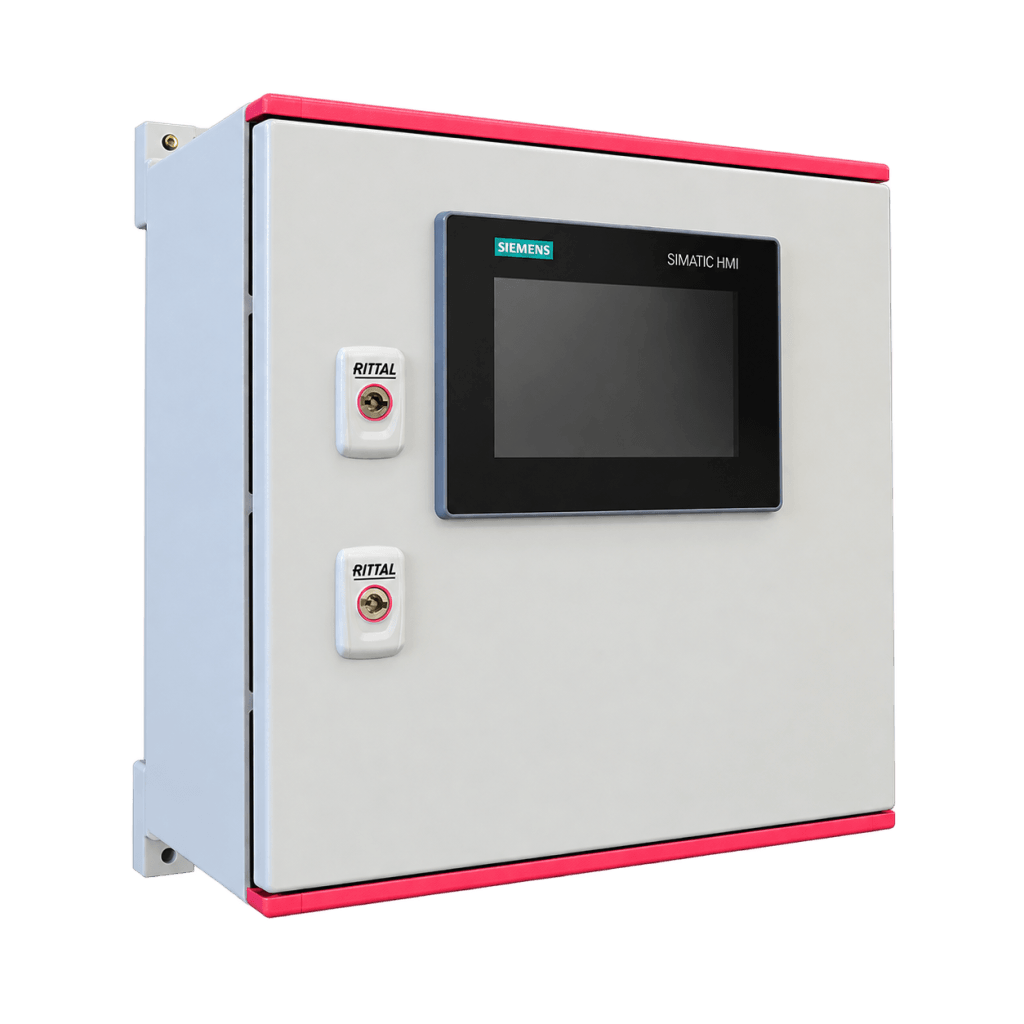

Integration with other monitoring systems
Other insulation monitoring equipment can be integrated with Cooling IMDs, allowing fault signals from multiple systems to be brought together in one centralised solution. This provides a complete overview of insulation monitoring across the vessel.
Alarm signals from the IMD can also be automatically transferred to larger vessel monitoring or alarm systems where these are already in place. This makes it possible to consolidate alarms in one location, improve overall visibility, and support a faster and more reliable response to faults.
Remote support available
Cooling offers remote support and diagnostics
Remote connectivity is available as an optional feature for Cooling IMDs. With an internet connection, our service team can securely access the system from virtually anywhere to check system status, perform updates, carry out diagnostics, and provide remote service support.
All measurements are logged
The results of all insulation tests are logged and retained.
Historical data makes it easier to track changes in measured values over time and determine whether deviations are temporary, recurring, or part of a developing fault.
For all onboard electrical systems and equipment
Not just for refrigeration equipment
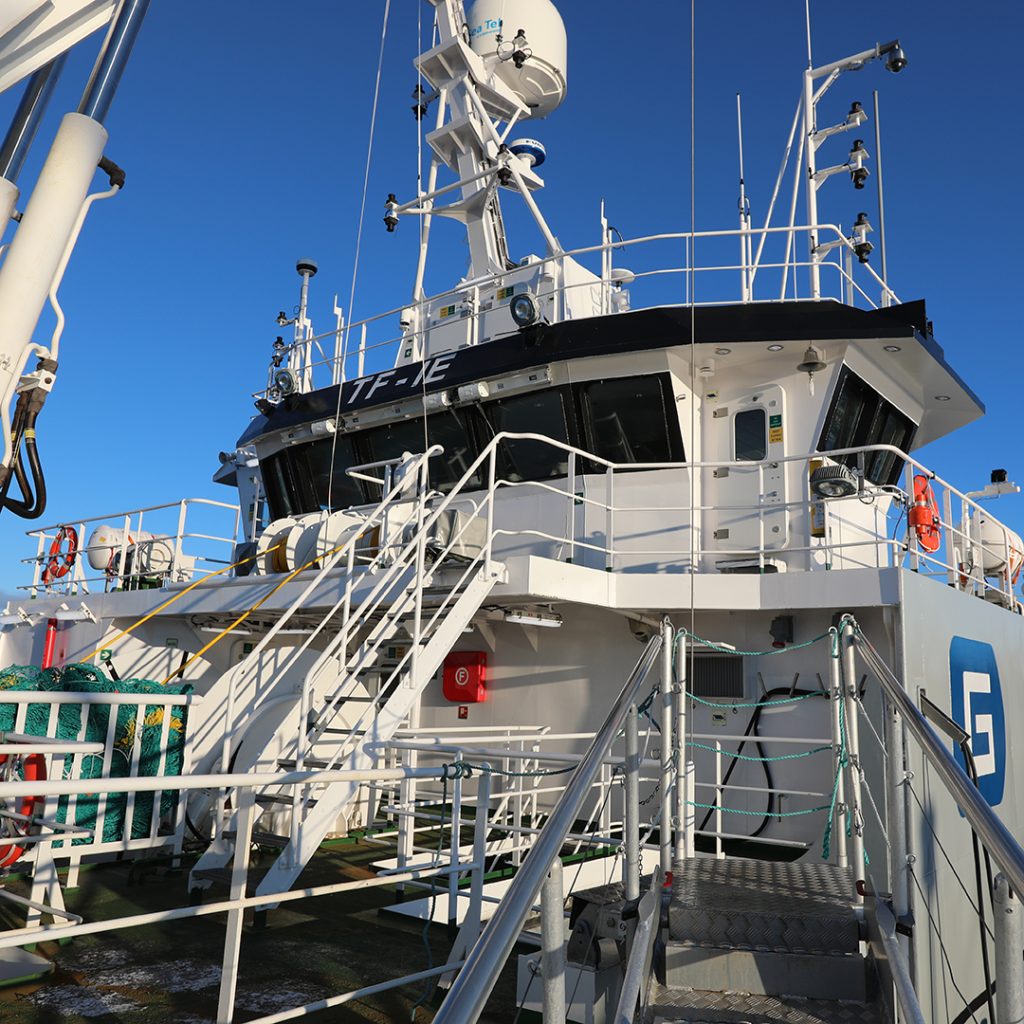
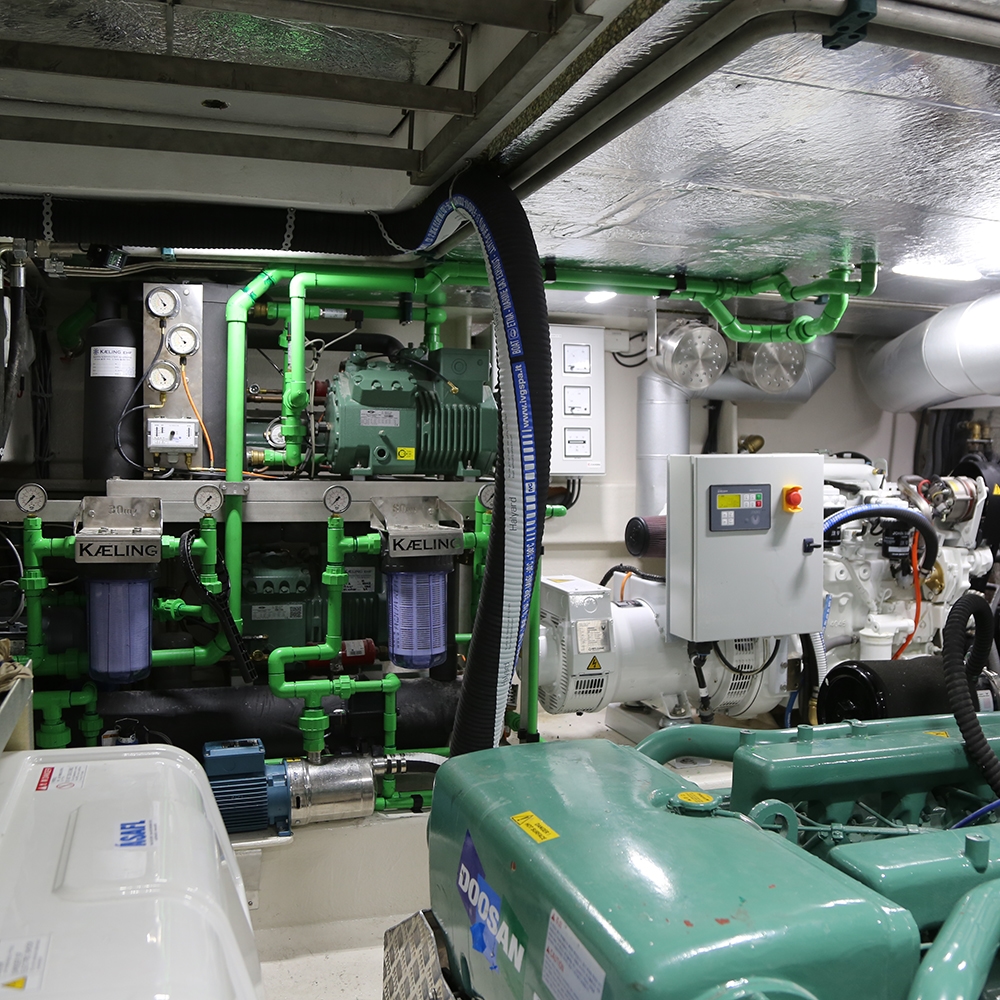
Cooling IMDs are commonly used to monitor:
- Ice slurry systems
- Seawater cooling systems
- Refrigeration and freezing systems
- Temperature monitoring systems
- Camera systems
- Communication equipment
- Various processing lines
The use of IMDs is not limited to refrigeration and freezing systems. Other onboard electrical systems and equipment can also be connected to the IMD as required.
Quickly identify which system has an insulation fault
If an insulation fault is detected, the system immediately identifies which electrical circuit or system shows the deviation.
This provides a clear overview of the condition of individual electrical systems without the need for time-consuming manual testing of each one.
One IMD – multiple electrical systems
Monitor multiple electrical systems from one central system
Insulation Monitording Devices - IMDs are available in multiple configurations
Cooling IMDs are available in several configurations for 12 V, 24 V, 230 VAC, and 400 VAC systems, with support for both alternating current (AC) and direct current (DC).
The number of monitoring points and the system configuration can also be customised to suit the requirements of each vessel.
Available IMD configurations
IMD – AC
IMD – DC
Custom design
One IMD – one complete overview
All electrical system insulations monitoring in one place
- Multiple systems.
- Automatic insulation testing.
- Logged measurement results.
- Clear identification of fault locations.
Contact us for expert guidance in selecting the right Insulation Monitoring Device – IMD for your vessel.